Top 5 DIY Water Testing Kits: Pros and Cons
Nov 13, 2026·By Ama Abeo


Introduction to DIY Water Testing Kits
Ensuring the quality of your water is crucial for health and safety. DIY water testing kits offer a convenient way to monitor your water's purity without the need for professional services. In this post, we'll explore the top 5 DIY water testing kits available, highlighting their pros and cons to help you make an informed decision.
1. Watersafe Drinking Water Test Kit
Pros
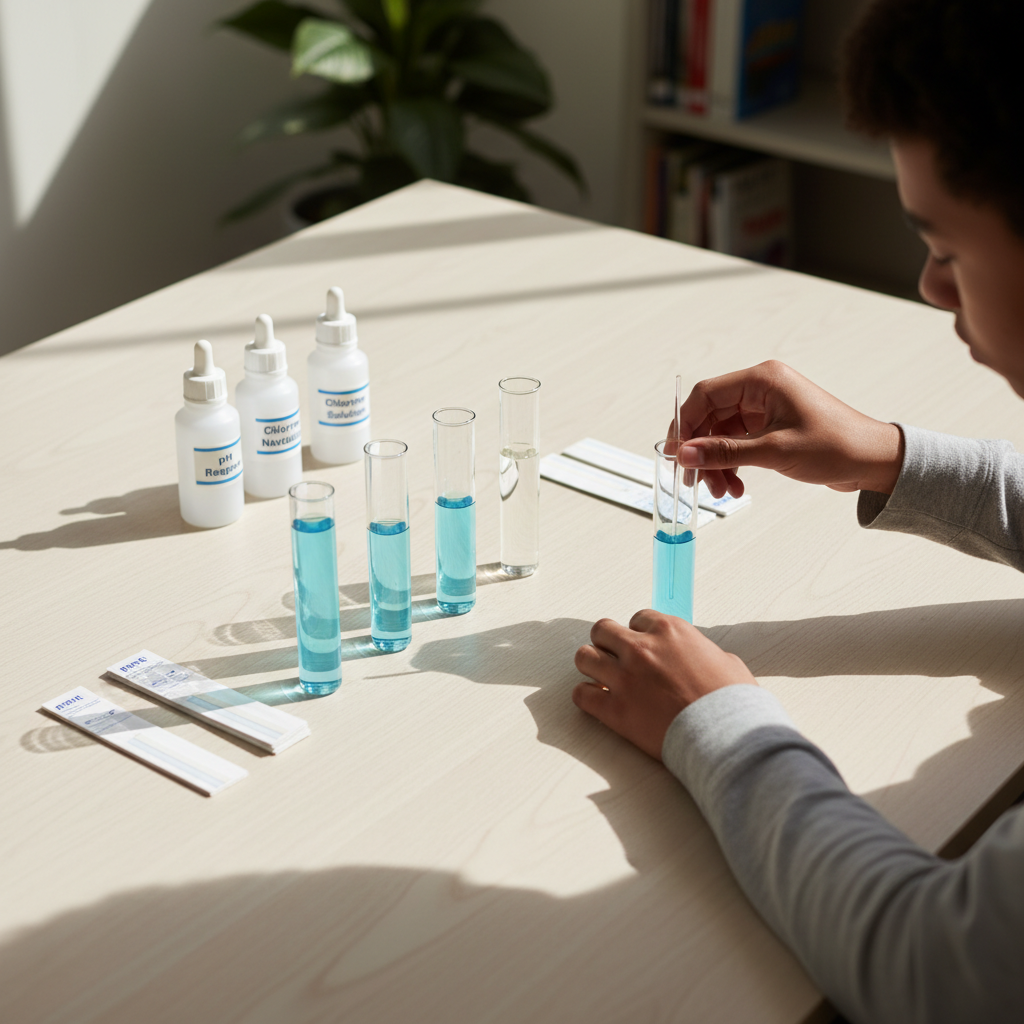
- Comprehensive Testing: This kit checks for a variety of contaminants, including lead, bacteria, and pesticides.
- Easy to Use: With clear instructions, it's accessible for anyone.
- Quick Results: Results are available in minutes.
Cons
- Price: It’s relatively more expensive than some other kits.
- Single Use: Designed for one-time use only.
2. Test Assured Complete Water Test Kit
Pros
- All-Inclusive: Tests for a wide range of contaminants, from heavy metals to chlorine.
- EPA Standards: Results are based on EPA contaminant levels.
Cons
- Complexity: The kit includes many tests, which can be overwhelming for beginners.
- Time-Consuming: Some tests may require longer processing times.
3. JNW Direct Drinking Water Test Strips
Pros
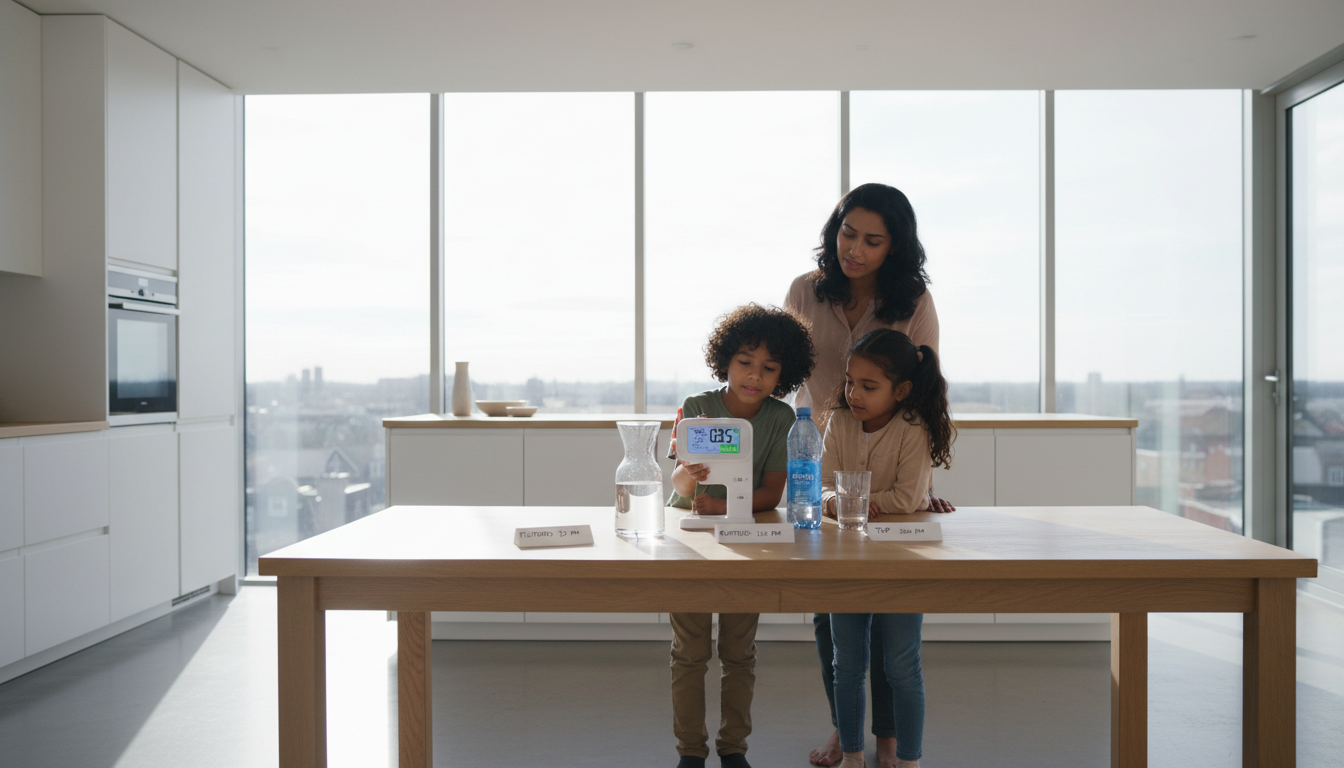
- Affordability: A budget-friendly option for basic testing.
- Simplicity: Strips are easy to use and interpret.
Cons
- Limited Scope: Tests fewer contaminants compared to other kits.
- Accuracy: Results may not be as precise as lab testing.
4. Health Metric Drinking Water Test Kit
Pros
- User-Friendly: Designed with straightforward instructions for home use.
- Fast Results: Get results in under 10 minutes.
Cons
- Single Focus: Primarily tests for bacteria and lead.
- Single Use: Not reusable, requiring purchase for each test.
5. First Alert WT1 Drinking Water Test Kit
Pros
- Brand Reputation: Backed by a trusted home safety brand.
- Comprehensive: Tests for lead, bacteria, and pesticides.
Cons
- Price: Higher cost compared to some other kits.
- Complex Instructions: May require careful attention to details.
Conclusion
DIY water testing kits provide a practical solution for monitoring water quality. Each kit has its unique strengths and limitations, so choosing the right one depends on your specific needs and budget. Whether you require comprehensive testing or just a basic assessment, there is a kit out there for you.